
Virgin Mary
Mother of God of Kazan
The Most Pure Mother of God, the Patroness of the Orthodox Russian people, is glorified in numerous miraculous copies of the Kazan Icon in Rus'. Of the many icons of the Mother of God venerated in the Russian Orthodox Church, none is as widespread as the Kazan Icon.
Available types and sizes
Type
Size
More icons of this saint
Virgin Mary
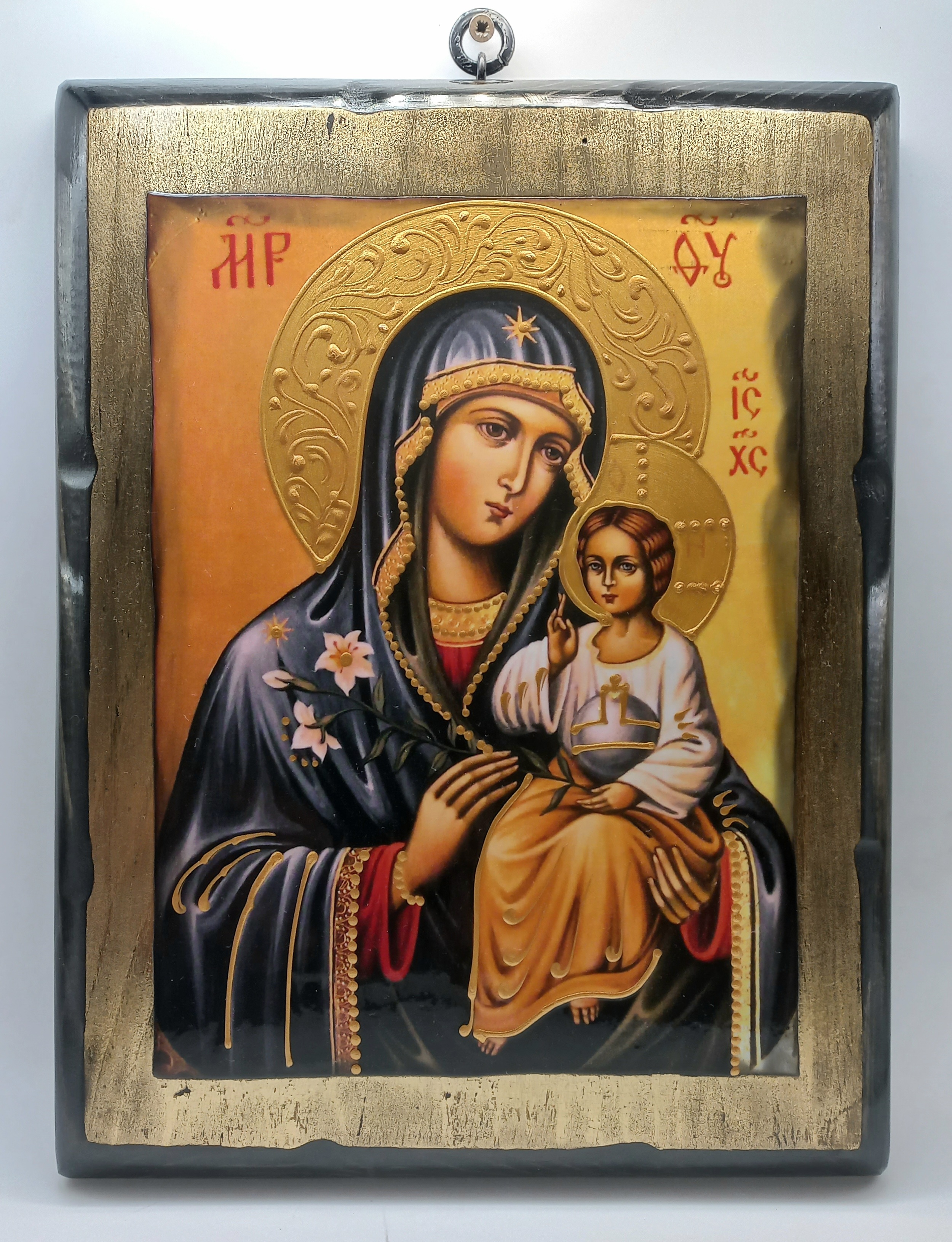
Virgin Mary "Unfading Flower" Helps with: finding a husband or wife, family problems, speech and language problems in children, fighting thoughts, preserving pure faith Period: 16th-17th century Holiday: April 16 (April 3 old style) The icon of the Virgin Mary “The Unfading Blossom” (also known as “The Fragrant Blossom”) is among the most famous and revered icons by Orthodox Christians. The icon depicts the Mother of God holding the Infant Christ in her right hand, and in her left – a white lily flower, a symbol of the virginity and purity of the Most Pure One, sung by our church as “the root of virginity and the unfading blossom of purity”. The very name of the icon is inspired by the hymns dedicated to the Most Holy Theotokos. The Lady is often compared to an “unfading” or “fragrant blossom” (such as in the canon of Joseph the Songwriter). To this day, in Kefalonia, Greece, there is a tradition on the feast of the Annunciation to bring white flowers as a symbol of the good news brought by St. Archangel Gabriel. People place the flowers on the icon, which every year, without water or sunlight, for 5 months until the Assumption of the Virgin Mary, bud again, although the plants have already withered. That is where the name of the icon comes from, "The Unfading Flower". It is assumed that this tradition was inspired by the Athonite monks, since at that time, immortelle (smil) grew on the slopes of Athos, which were considered a symbol of purity. The icon appeared between the 16th and 17th centuries, and by the end of the 18th century it had spread to Russia. In different versions of the icon, a rose or other flowers are seen instead of the white lily. It is known that this icon is prayed to primarily by people who want to preserve purity and righteousness within themselves, as well as when they need spiritual support in choosing a husband or wife. People who experience various family problems also resort to it. Among the most famous miracles of the icon is its miraculous appearance on the window glass in the house of Ekaterina Ivanovna Malygina. Interestingly, in the evening the images disappear, while at dawn the image appears again. And so far many have tried to scratch the image or damage it, but without success. Another miracle associated with the icon occurred in the village of Novovoskresenovka in Kherson, when the icon began to flow with myrrh and through the intercession of the Virgin Mary, many people who were experiencing problems in their family relationships were able to get along. In addition, the icon is also credited with many cases of healings of adults and children, especially children suffering from speech problems.
Virgin Mary
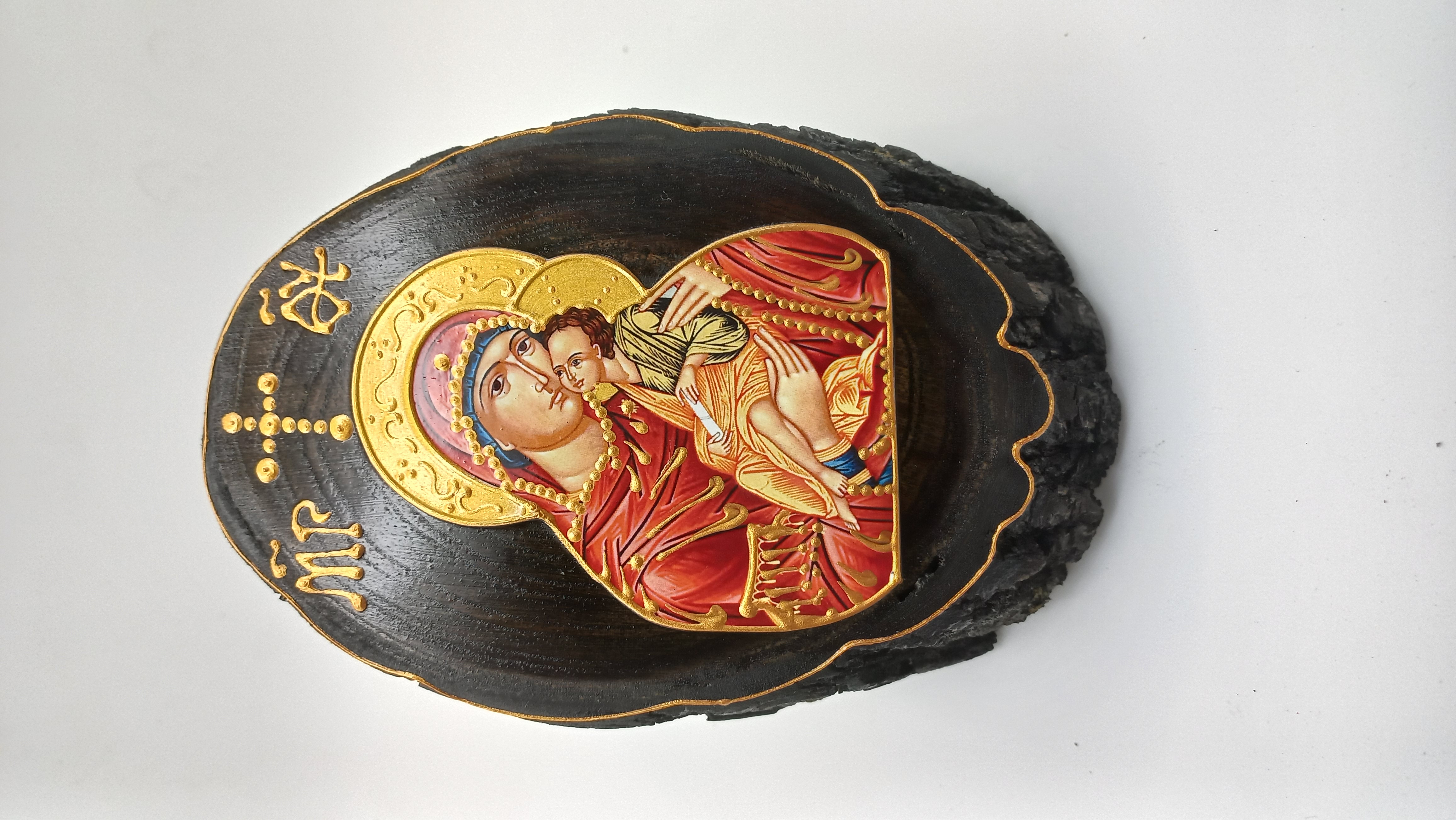
The Icon of the Holy Mother of God of Mercy (also known as Eleusa or Milvastha)is a basic type of Orthodox image that symbolizes boundless maternal love, compassion, and the deep spiritual connection between the Mother of God and the Christ Child
Virgin Mary
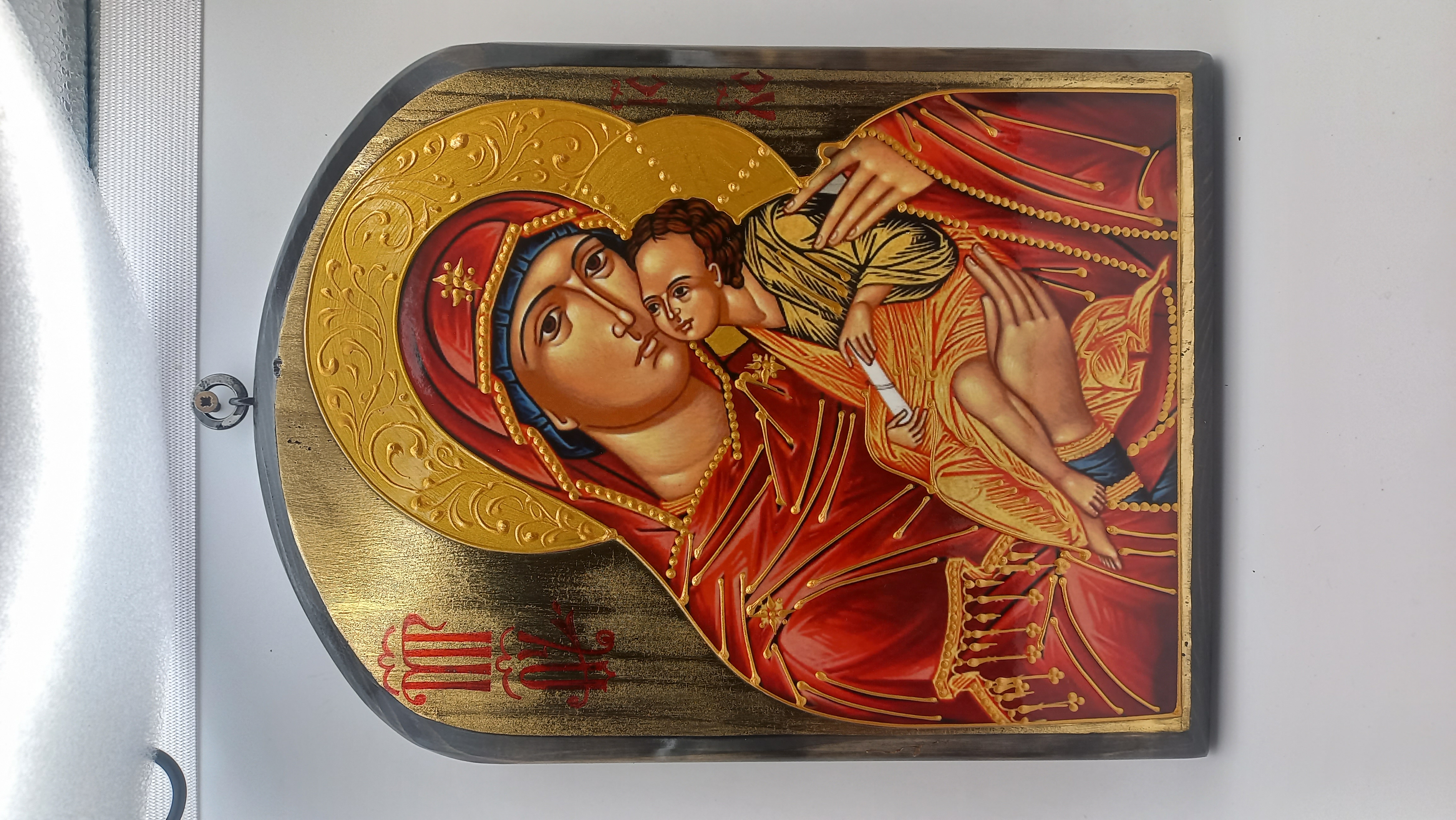
The Icon of the Holy Mother of God of Mercy (also known as Eleusa or Milvastha)is a basic type of Orthodox image that symbolizes boundless maternal love, compassion, and the deep spiritual connection between the Mother of God and the Christ Child
Virgin Mary
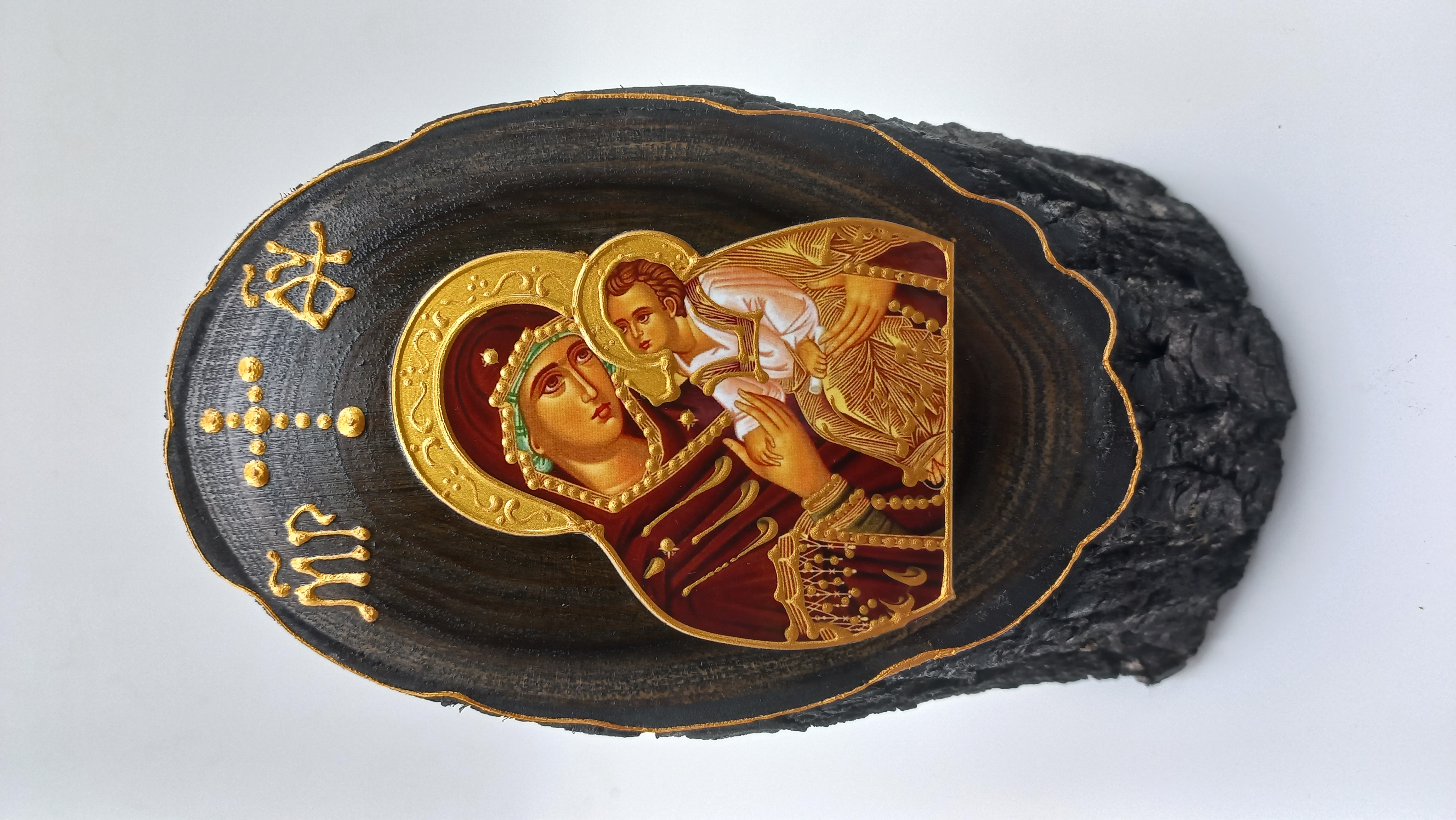
The Icon of the Holy Mother of God of Mercy (also known as Eleusa or Milvastha)is a basic type of Orthodox image that symbolizes boundless maternal love, compassion, and the deep spiritual connection between the Mother of God and the Christ Child
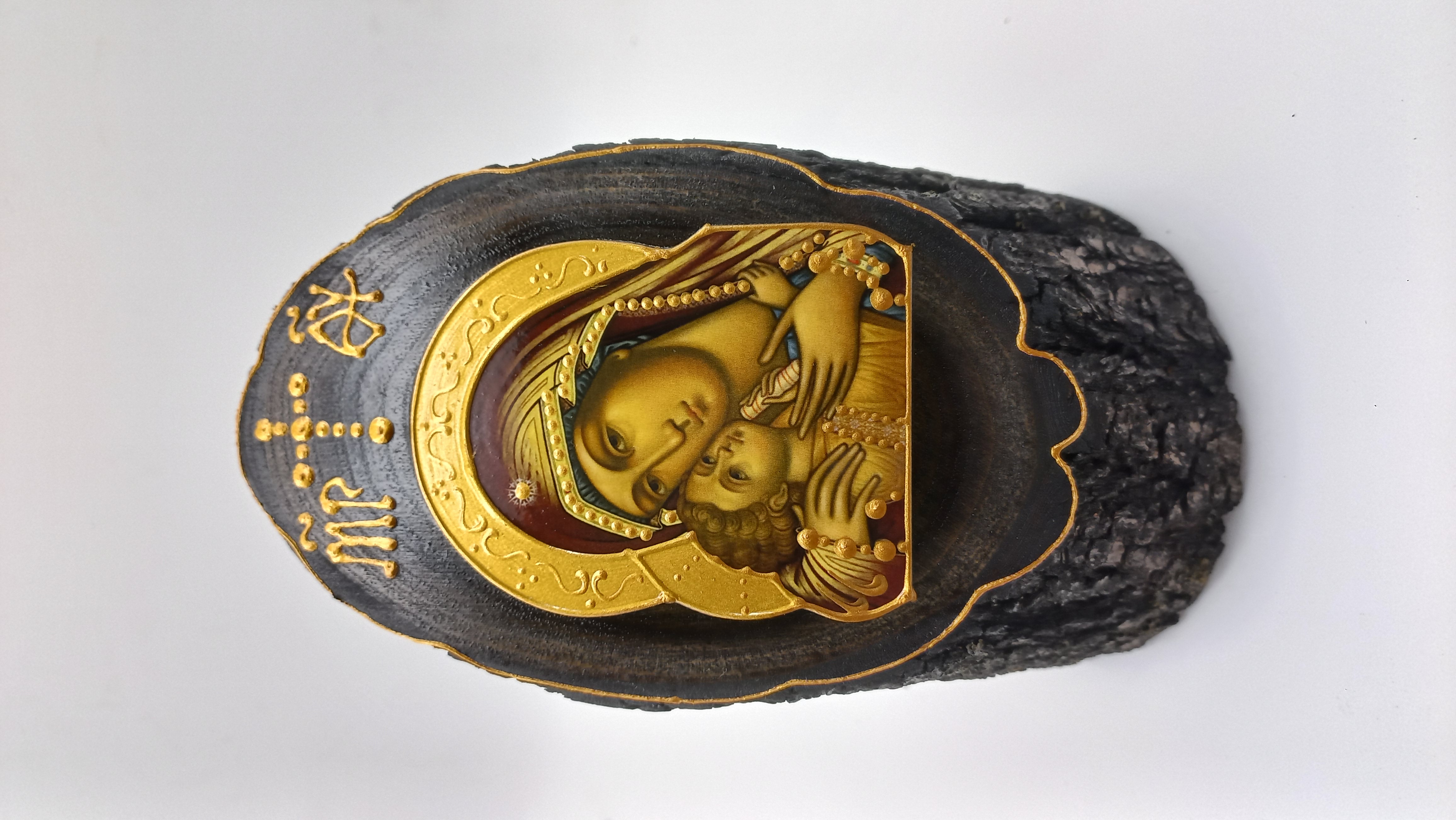
Virgin Mary
The Icon of the Holy Mother of God of Mercy (also known as Eleusa or Milvastha)is a basic type of Orthodox image that symbolizes boundless maternal love, compassion, and the deep spiritual connection between the Mother of God and the Christ Child
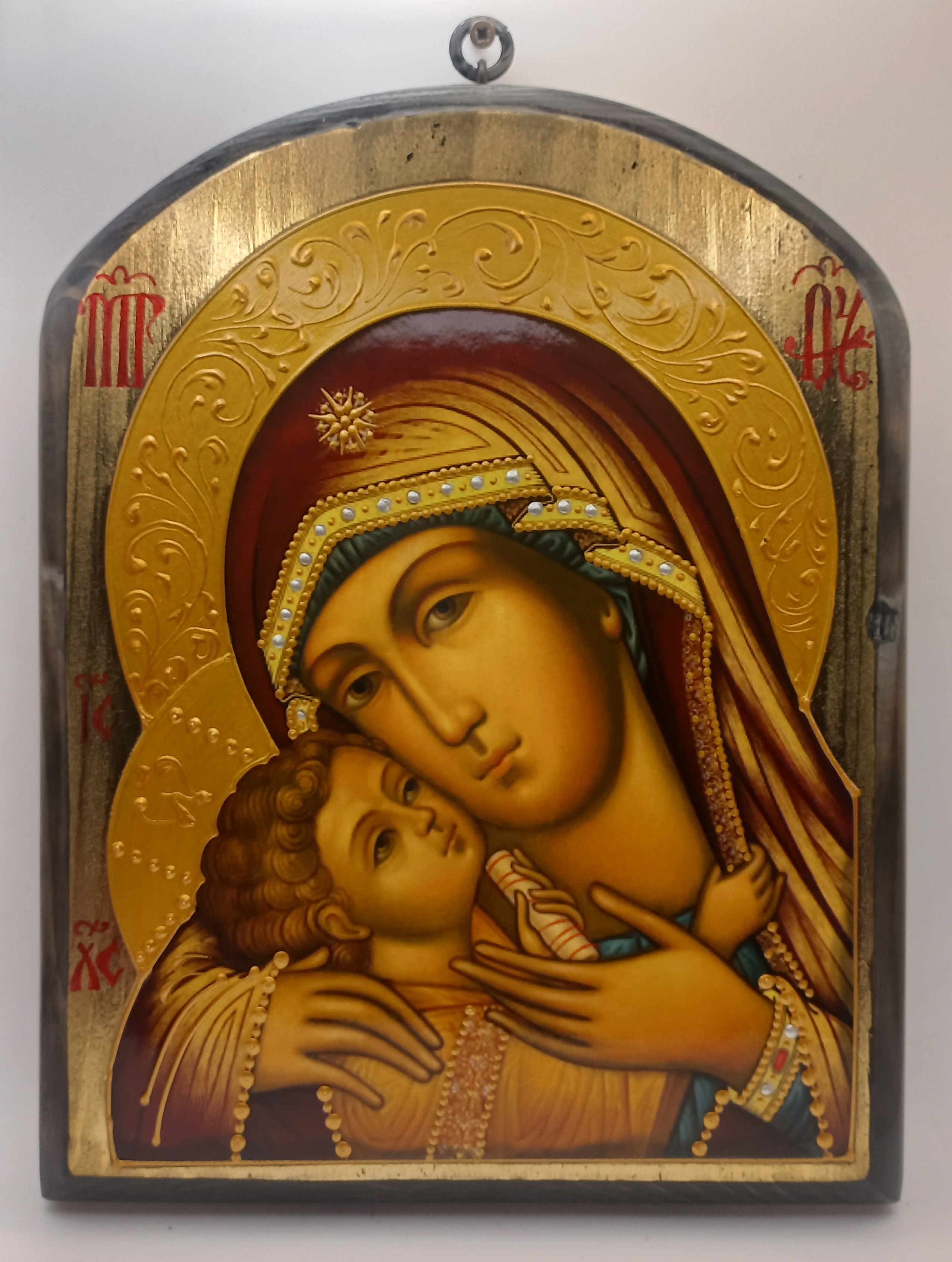
Virgin Mary
The Icon of the Holy Mother of God of Mercy (also known as Eleusa or Milvastha)is a basic type of Orthodox image that symbolizes boundless maternal love, compassion, and the deep spiritual connection between the Mother of God and the Christ Child
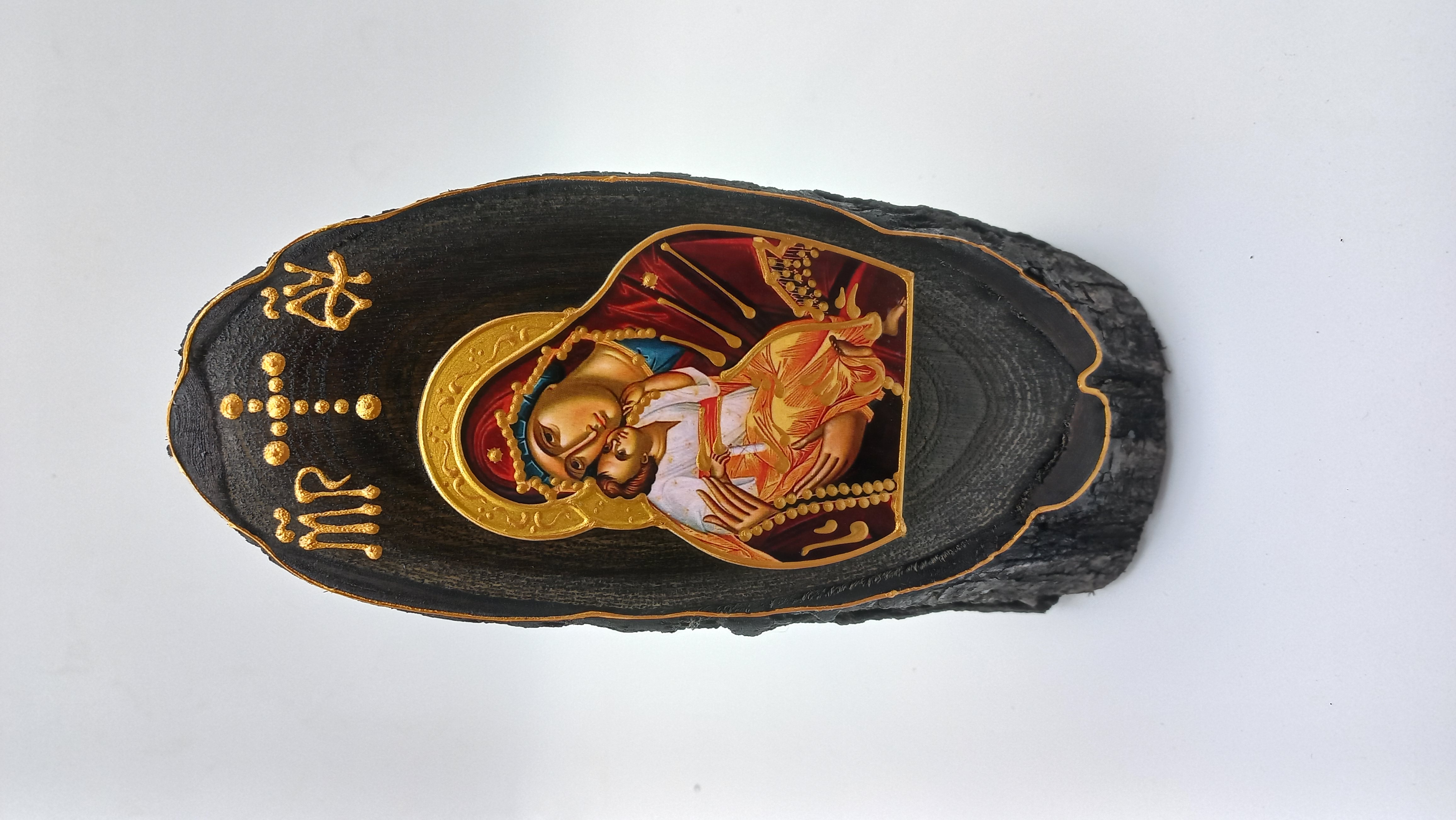
Virgin Mary
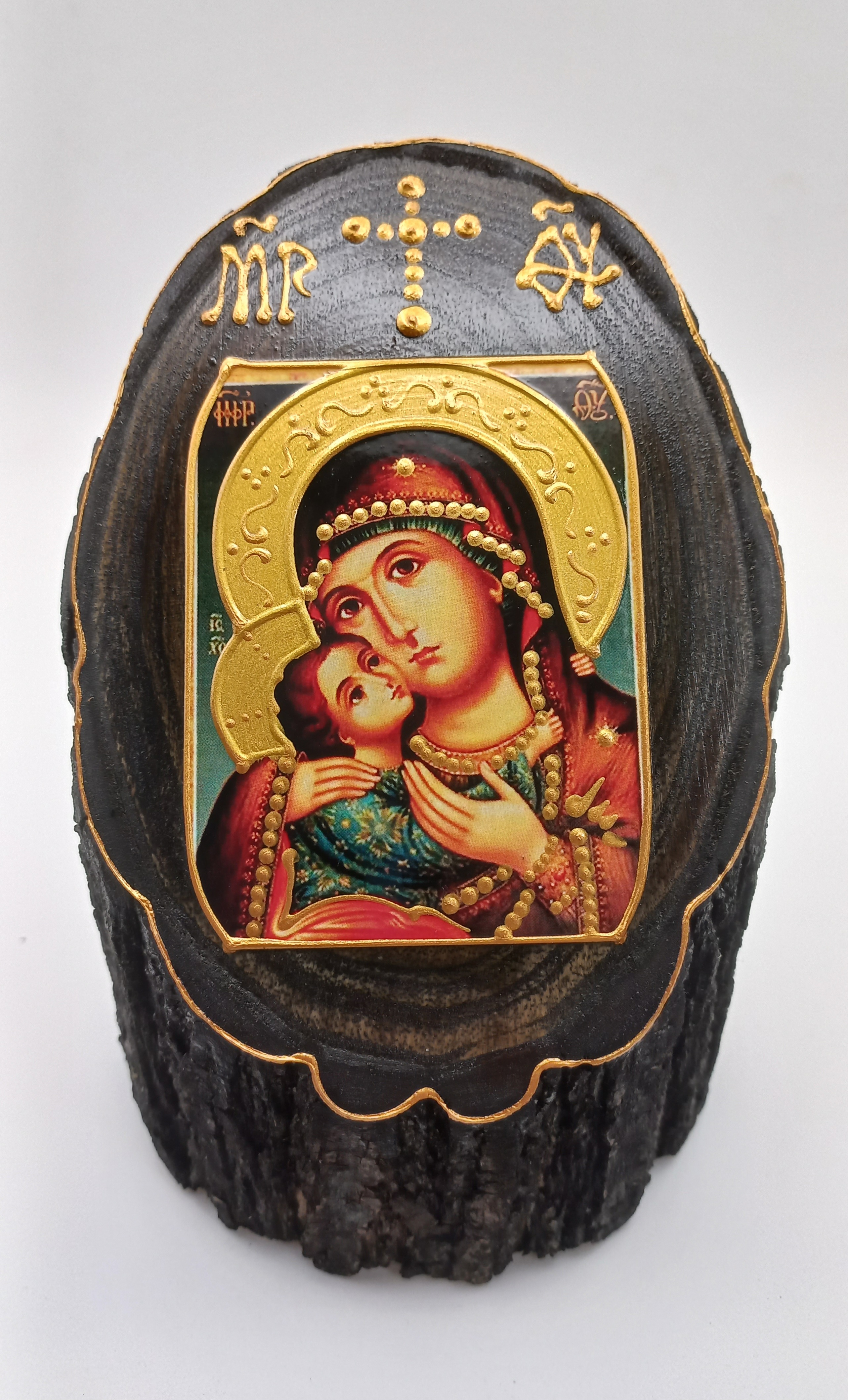
Virgin Mary "Sweet Kiss" Like the icon of the Virgin Mary "The Gatekeeper", "Sweet Kiss" is among those icons saved during the iconoclastic period and which miraculously ended up on Mount Athos. Victoria, the pious wife of the iconoclastic Senator Simeon, in order not to betray her, threw her into the sea. The icon remained above the water and reached the shores of the Philotei Monastery, where with great honors and joy it was carried by the abbot and the fathers of the monastery to the monastery, after the Lady herself appeared to them and revealed the location of the icon. On the shore where they found the icon, a spring gushed. To this day, a liturgy and water blessing are performed every Bright Monday. There are many miracles of the Virgin Mary "Sweet Kiss". Among the most famous is the miracle in 1713, when the monastery sank into poverty and was saved through the prayers of the pious priest Joanikiy, who left the monastery in the hands of the Virgin Mary. In 1800, one of the pilgrims of the monastery fell from the third floor, but through the intercession of the Virgin Mary he was saved. To this day, the grace of the icon brings joy to many lost souls. Composition The icon shows the little Jesus huddled in the face of His Mother, as if frightened. The Virgin Mary is dressed in Her mourning garments, while Christ is depicted in a gray-blue tunic. His gaze is directed towards His Most Pure Mother, Who looks as if beyond those watching Her. The bare feet of the little Christ are believed to symbolize Christ the Lamb in the arms of His mother, and this manner of depiction dates back to the 12th century. Christ is depicted in a similar manner on the icon of the Presentation of the Lord, where since Byzantine times the Lord began to be depicted with bare feet in the arms of His Mother. Another manner of depicting the icon of the Virgin Mary "Sweet Kiss" is of Christ tenderly kissing the lower part of His Mother's face, and this image dates back to the 14th century and is spread mainly in Macedonia. It symbolizes the prototype of the sufferings of Christ, of the connection between sleep and death. This connection between death and sleep is actually a very ancient way of representing, dating back to the earliest Christianity.
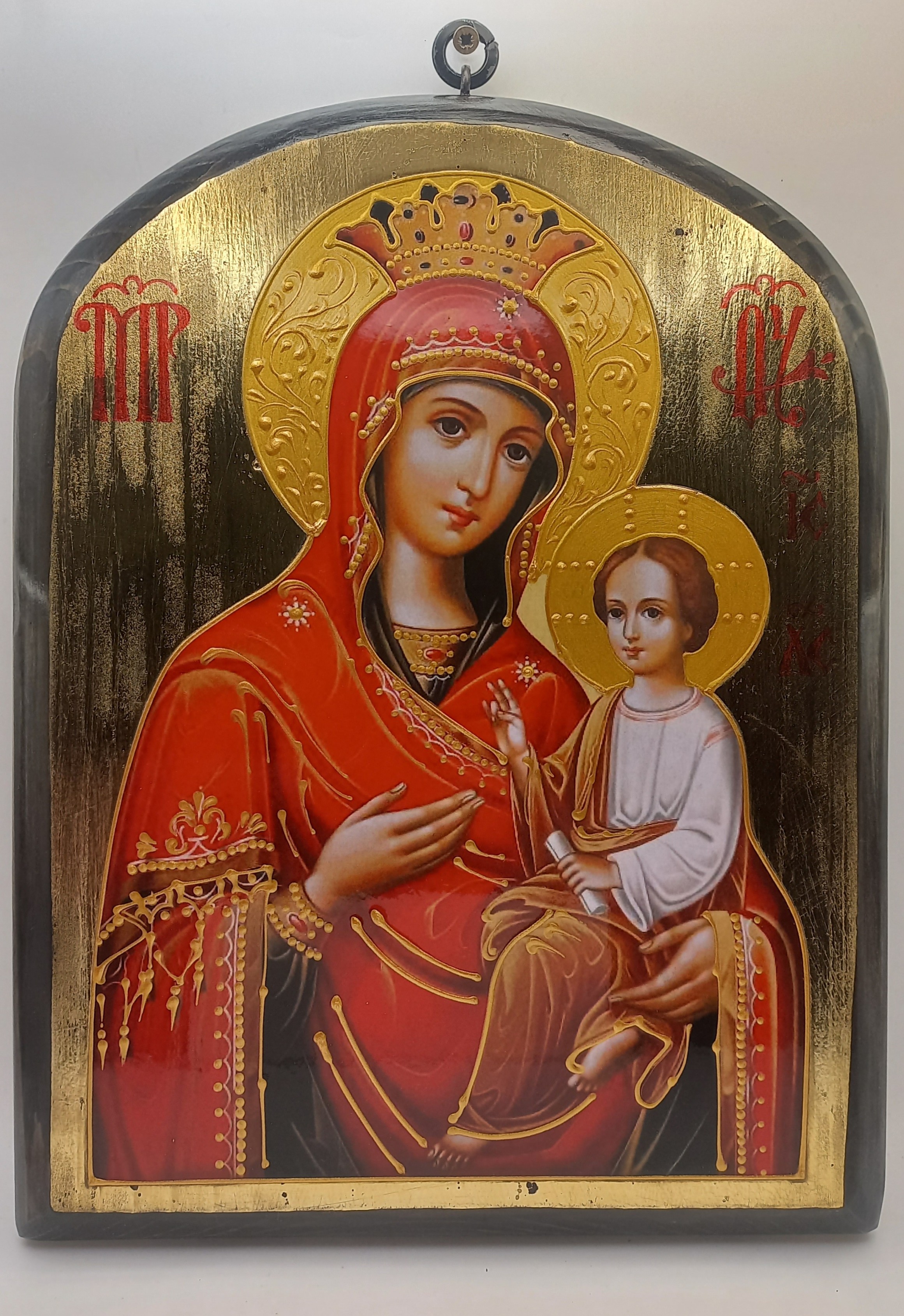
Virgin Mary
The shrine of Dokhiar is the icon of the Holy Mother of God-Skoroposlushnitsa. The history of the monastery tells that in 1664 the image of the Virgin Mary was painted on the wall of the monastic refectory. There was a passage through which the monk in charge of the refectory often passed. One day the novice Nil heard the following words: "Do not pass by me with smoking dishes and do not smoke my image." Nil did not listen to these words and one day he heard again: "Monk, you are not worthy of this title! How long will you smoke my image?!" The unfortunate man fell before the icon on his knees in penitential prayer and tears. In the morning his brothers found him blinded. The frightened monks decided to make a daily prayer service in front of the icon, and blocked off a special room where the image stood. The blinded monk did not tear himself away from the holy image until the Mother of God spoke to him again. She told him: “Neil, your prayer has been heard and you are forgiven. From now on, let all brothers and Orthodox Christians turn to me in their needs, and I will not leave anyone unheard. And my image will be called the Quick-Hearer, because I will grant speedy mercy to all who turn to me with reverence.” After that, the monks blocked the passage so that no one would pass through and built a chapel in honor of the icon, decorating it with beautiful frescoes. They placed constantly burning lamps in front of the icon. Many miracles and healings occurred here. In the summer of 1996, the miraculous icon provided unprecedented favor, both for the monks and for Orthodox Christians. Behind the icon there was a gilded part, and the restorer Anthony Glynos discovered a fresco dating from 1563, which was the miraculous icon itself.
Virgin Mary
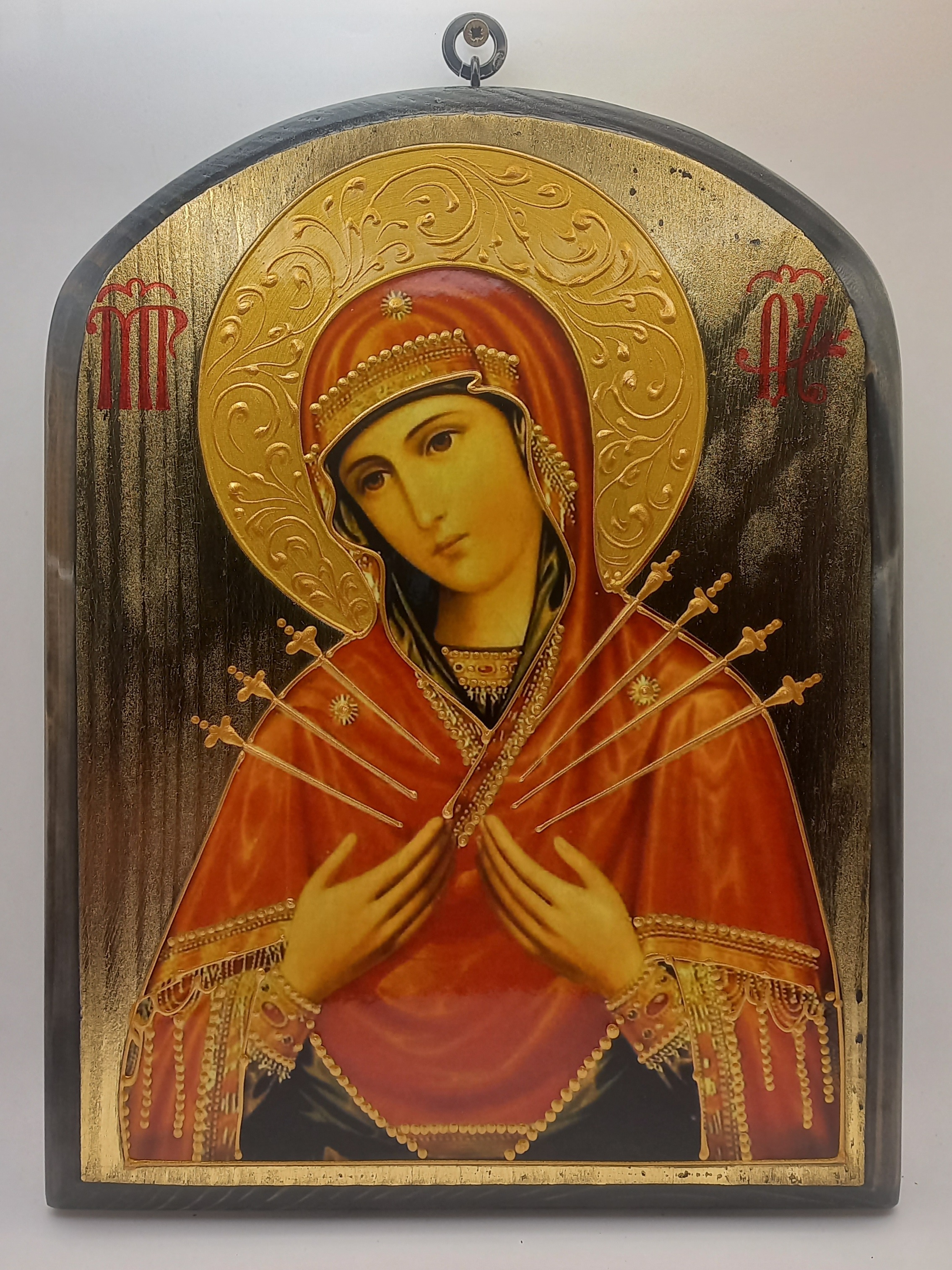
Icon of the Holy Mother of God of the Seven-Pointed - painted on a gilded background that shows the essence of the Mother of God in her glory. The icon of the Seven-Shots depicting Mary with seven swords pointed at her heart is a plot icon. It depicts a prophecy of Saint Simeon the God-Receiver, who foresaw the sorrow of the Virgin Mary because of the sufferings of Her Son on the cross. The icon is also called the Holy Virgin Mary of the Seven-Shots. There are attested stories about how an icon with Mary and 7 arrows in Russia was transformed during the tragedy with the Kursk submarine. Since then, it has been considered Miraculous and to this day the stories about it have stopped. It is said that she chooses the places to visit through mysterious signs. Unlike other icons with the image of the Virgin Mary, this one has a more comforting and pacifying effect. It is suitable for family problems, for reconciliation between loved ones, husbands and wives, friends.
Virgin Mary
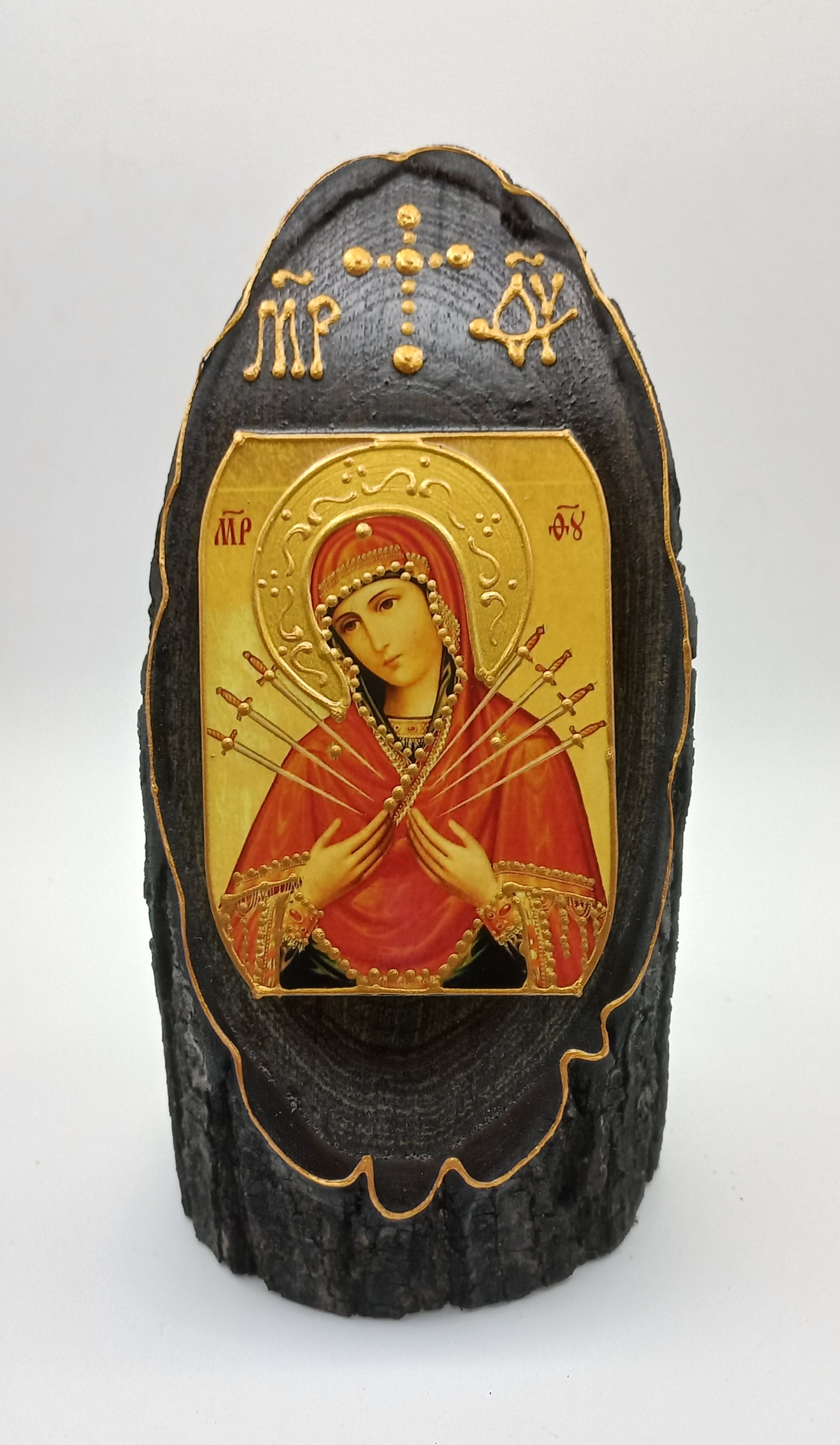
Icon of the Holy Mother of God of the Seven-Pointed - painted on a gilded background that shows the essence of the Mother of God in her glory. The icon of the Seven-Shots depicting Mary with seven swords pointed at her heart is a plot icon. It depicts a prophecy of Saint Simeon the God-Receiver, who foresaw the sorrow of the Virgin Mary because of the sufferings of Her Son on the cross. The icon is also called the Holy Virgin Mary of the Seven-Shots. There are attested stories about how an icon with Mary and 7 arrows in Russia was transformed during the tragedy with the Kursk submarine. Since then, it has been considered Miraculous and to this day the stories about it have stopped. It is said that she chooses the places to visit through mysterious signs. Unlike other icons with the image of the Virgin Mary, this one has a more comforting and pacifying effect. It is suitable for family problems, for reconciliation between loved ones, husbands and wives, friends.
Virgin Mary
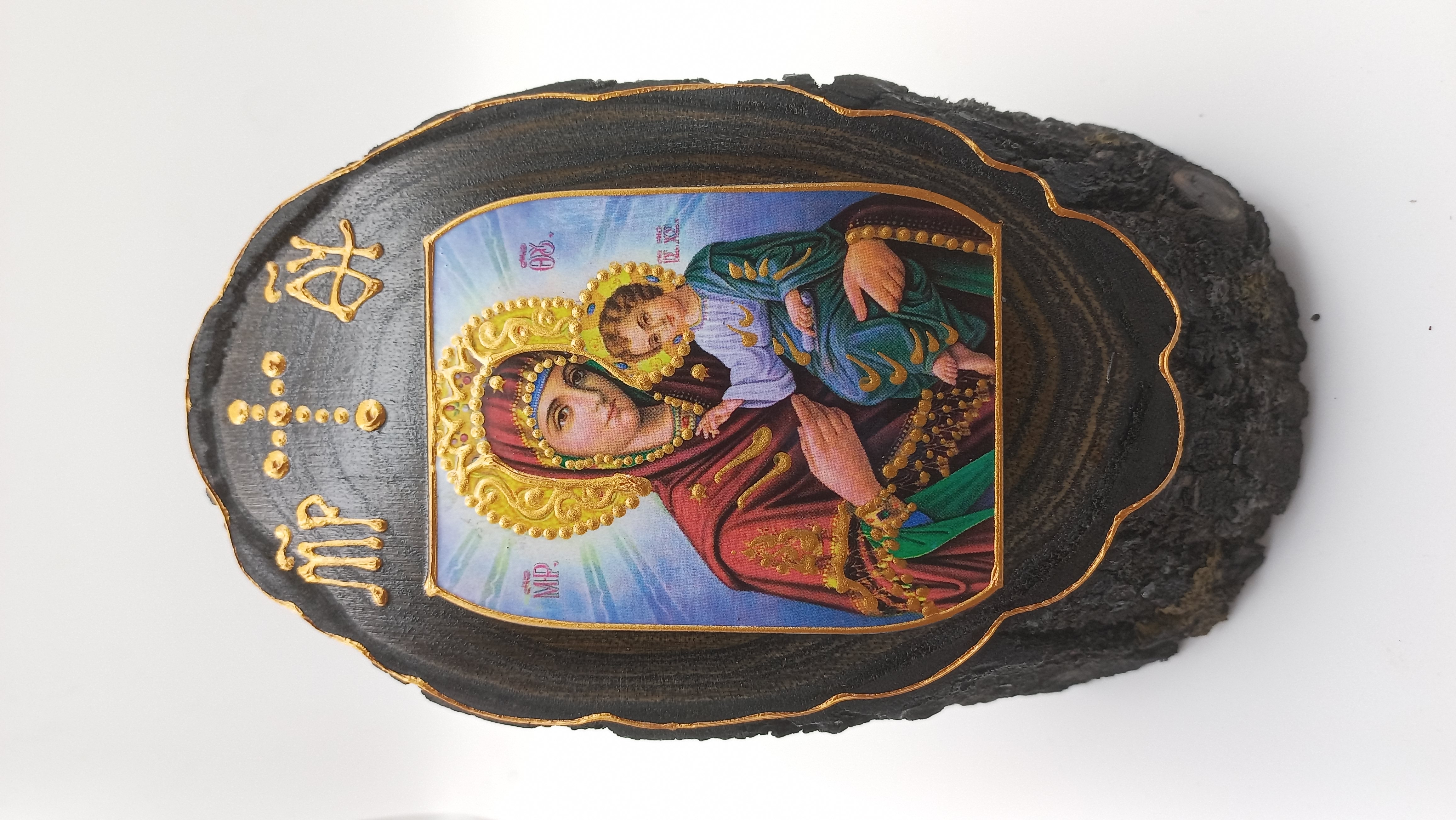
The icon of the Holy Virgin of Rila was painted in the nineteenth century in the Rila Monastery by an unknown monk. According to many, it is one of the most beautiful and valuable icons in Bulgaria.
Virgin Mary
According to tradition, the first Hodegetria (the Blachernae icon) was painted by the evangelist St. Luke and was brought from the Holy Land to Byzantium by Eudokia, wife of the Byzantine emperor Theodosius II (408–450) in the middle of the 5th century, where it was placed in the Blachernae temple, and according to other sources – in the temple of the Panagia Hodegetria monastery, from which its name derives. The icon became the patroness of Constantinople . This type of Virgin Mary icon was widely distributed throughout the Christian world, especially in Byzantium and Russia . Famous icons of this type are the Smolensk, Kazan, Georgian, Iverskaya, and Czestochowa Virgins.
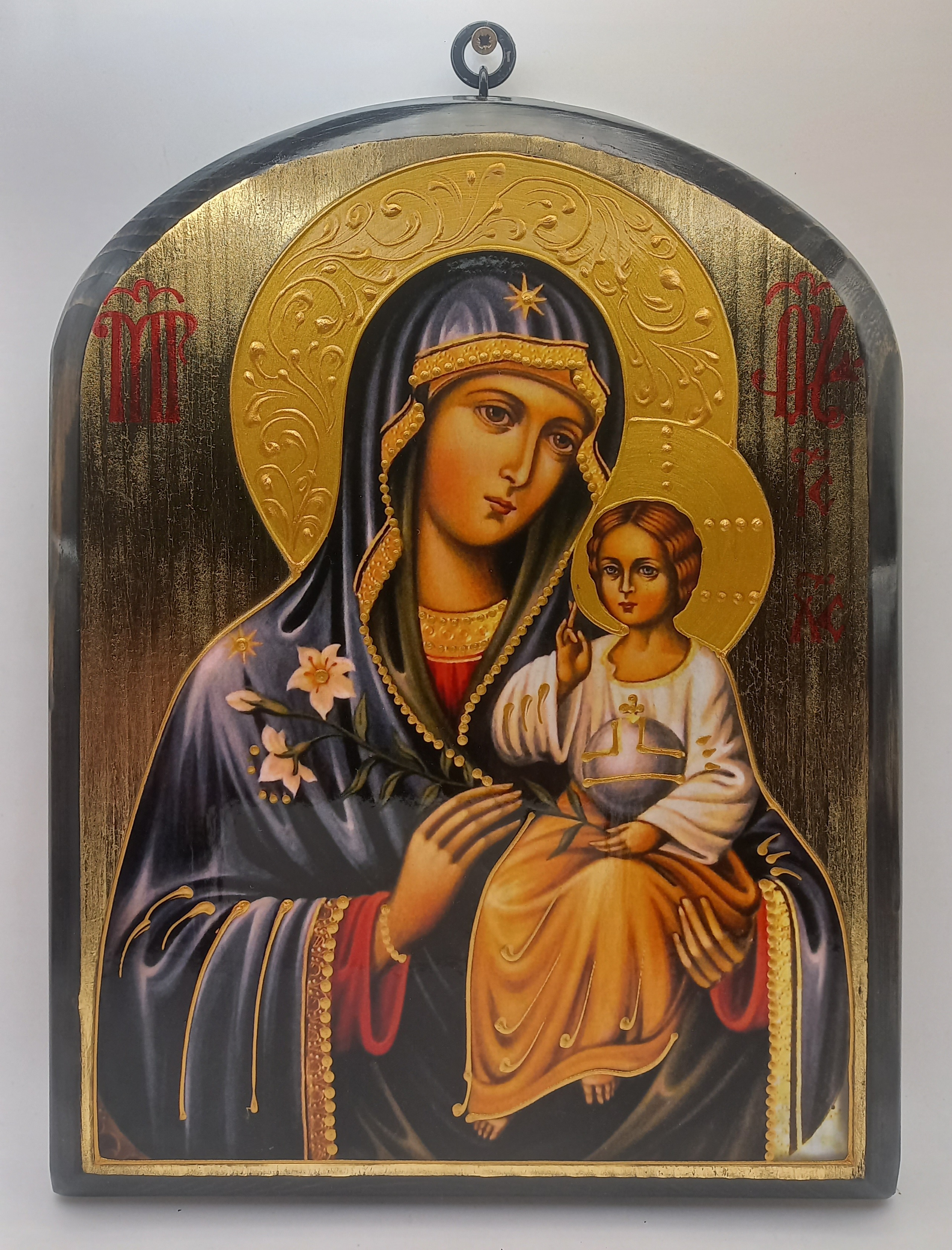
Virgin Mary
Virgin Mary "Unfading Flower" Helps with: finding a husband or wife, family problems, speech and language problems in children, fighting thoughts, preserving pure faith Period: 16th-17th century Holiday: April 16 (April 3 old style) The icon of the Virgin Mary “The Unfading Blossom” (also known as “The Fragrant Blossom”) is among the most famous and revered icons by Orthodox Christians. The icon depicts the Mother of God holding the Infant Christ in her right hand, and in her left – a white lily flower, a symbol of the virginity and purity of the Most Pure One, sung by our church as “the root of virginity and the unfading blossom of purity”. The very name of the icon is inspired by the hymns dedicated to the Most Holy Theotokos. The Lady is often compared to an “unfading” or “fragrant blossom” (such as in the canon of Joseph the Songwriter). To this day, in Kefalonia, Greece, there is a tradition on the feast of the Annunciation to bring white flowers as a symbol of the good news brought by St. Archangel Gabriel. People place the flowers on the icon, which every year, without water or sunlight, for 5 months until the Assumption of the Virgin Mary, bud again, although the plants have already withered. That is where the name of the icon comes from, "The Unfading Flower". It is assumed that this tradition was inspired by the Athonite monks, since at that time, immortelle (smil) grew on the slopes of Athos, which were considered a symbol of purity. The icon appeared between the 16th and 17th centuries, and by the end of the 18th century it had spread to Russia. In different versions of the icon, a rose or other flowers are seen instead of the white lily. It is known that this icon is prayed to primarily by people who want to preserve purity and righteousness within themselves, as well as when they need spiritual support in choosing a husband or wife. People who experience various family problems also resort to it. Among the most famous miracles of the icon is its miraculous appearance on the window glass in the house of Ekaterina Ivanovna Malygina. Interestingly, in the evening the images disappear, while at dawn the image appears again. And so far many have tried to scratch the image or damage it, but without success. Another miracle associated with the icon occurred in the village of Novovoskresenovka in Kherson, when the icon began to flow with myrrh and through the intercession of the Virgin Mary, many people who were experiencing problems in their family relationships were able to get along. In addition, the icon is also credited with many cases of healings of adults and children, especially children suffering from speech problems.
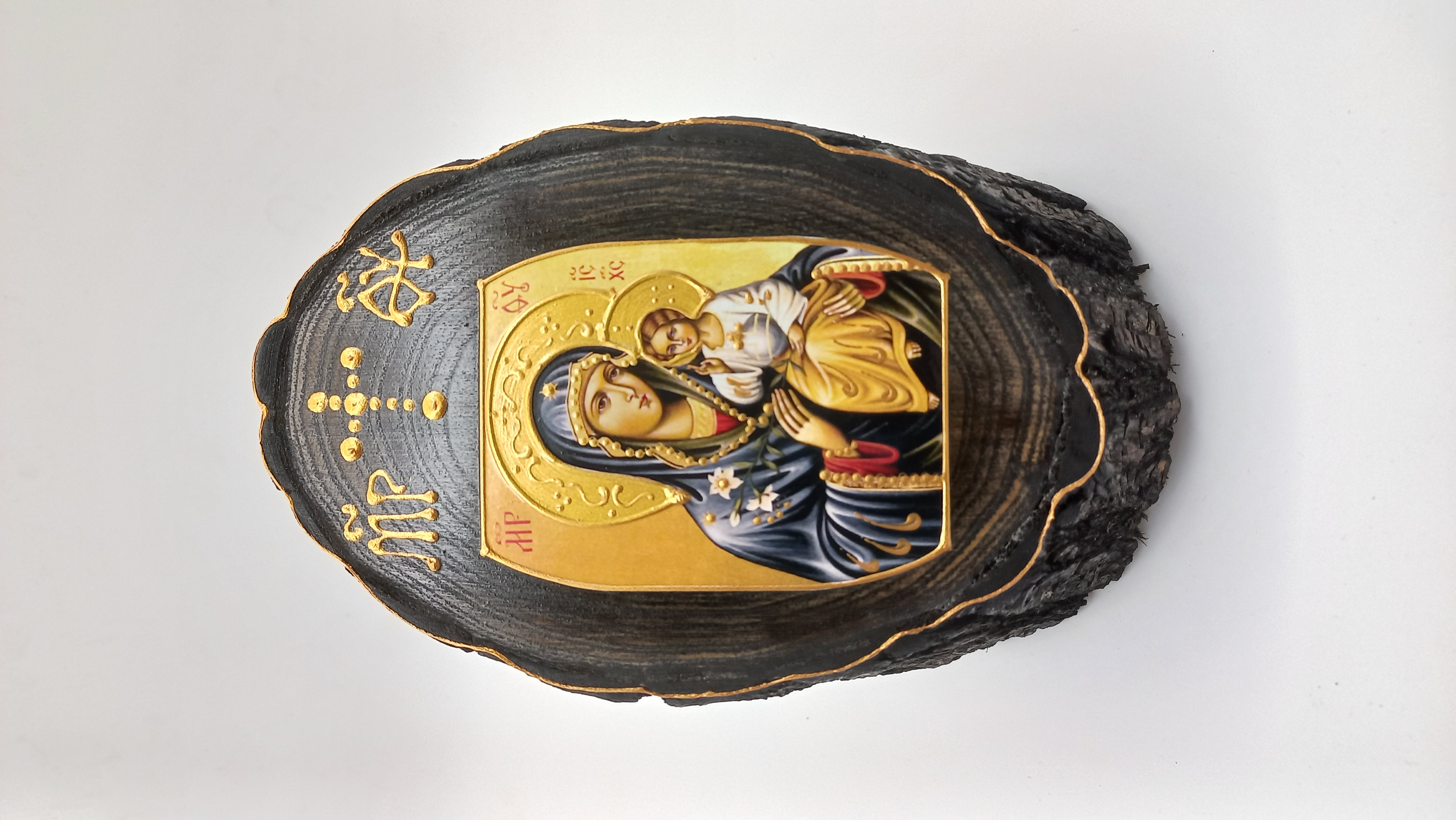
Virgin Mary
Virgin Mary "Unfading Flower" Helps with: finding a husband or wife, family problems, speech and language problems in children, fighting thoughts, preserving pure faith Period: 16th-17th century Holiday: April 16 (April 3 old style) The icon of the Virgin Mary “The Unfading Blossom” (also known as “The Fragrant Blossom”) is among the most famous and revered icons by Orthodox Christians. The icon depicts the Mother of God holding the Infant Christ in her right hand, and in her left – a white lily flower, a symbol of the virginity and purity of the Most Pure One, sung by our church as “the root of virginity and the unfading blossom of purity”. The very name of the icon is inspired by the hymns dedicated to the Most Holy Theotokos. The Lady is often compared to an “unfading” or “fragrant blossom” (such as in the canon of Joseph the Songwriter). To this day, in Kefalonia, Greece, there is a tradition on the feast of the Annunciation to bring white flowers as a symbol of the good news brought by St. Archangel Gabriel. People place the flowers on the icon, which every year, without water or sunlight, for 5 months until the Assumption of the Virgin Mary, bud again, although the plants have already withered. That is where the name of the icon comes from, "The Unfading Flower". It is assumed that this tradition was inspired by the Athonite monks, since at that time, immortelle (smil) grew on the slopes of Athos, which were considered a symbol of purity. The icon appeared between the 16th and 17th centuries, and by the end of the 18th century it had spread to Russia. In different versions of the icon, a rose or other flowers are seen instead of the white lily. It is known that this icon is prayed to primarily by people who want to preserve purity and righteousness within themselves, as well as when they need spiritual support in choosing a husband or wife. People who experience various family problems also resort to it. Among the most famous miracles of the icon is its miraculous appearance on the window glass in the house of Ekaterina Ivanovna Malygina. Interestingly, in the evening the images disappear, while at dawn the image appears again. And so far many have tried to scratch the image or damage it, but without success. Another miracle associated with the icon occurred in the village of Novovoskresenovka in Kherson, when the icon began to flow with myrrh and through the intercession of the Virgin Mary, many people who were experiencing problems in their family relationships were able to get along. In addition, the icon is also credited with many cases of healings of adults and children, especially children suffering from speech problems.
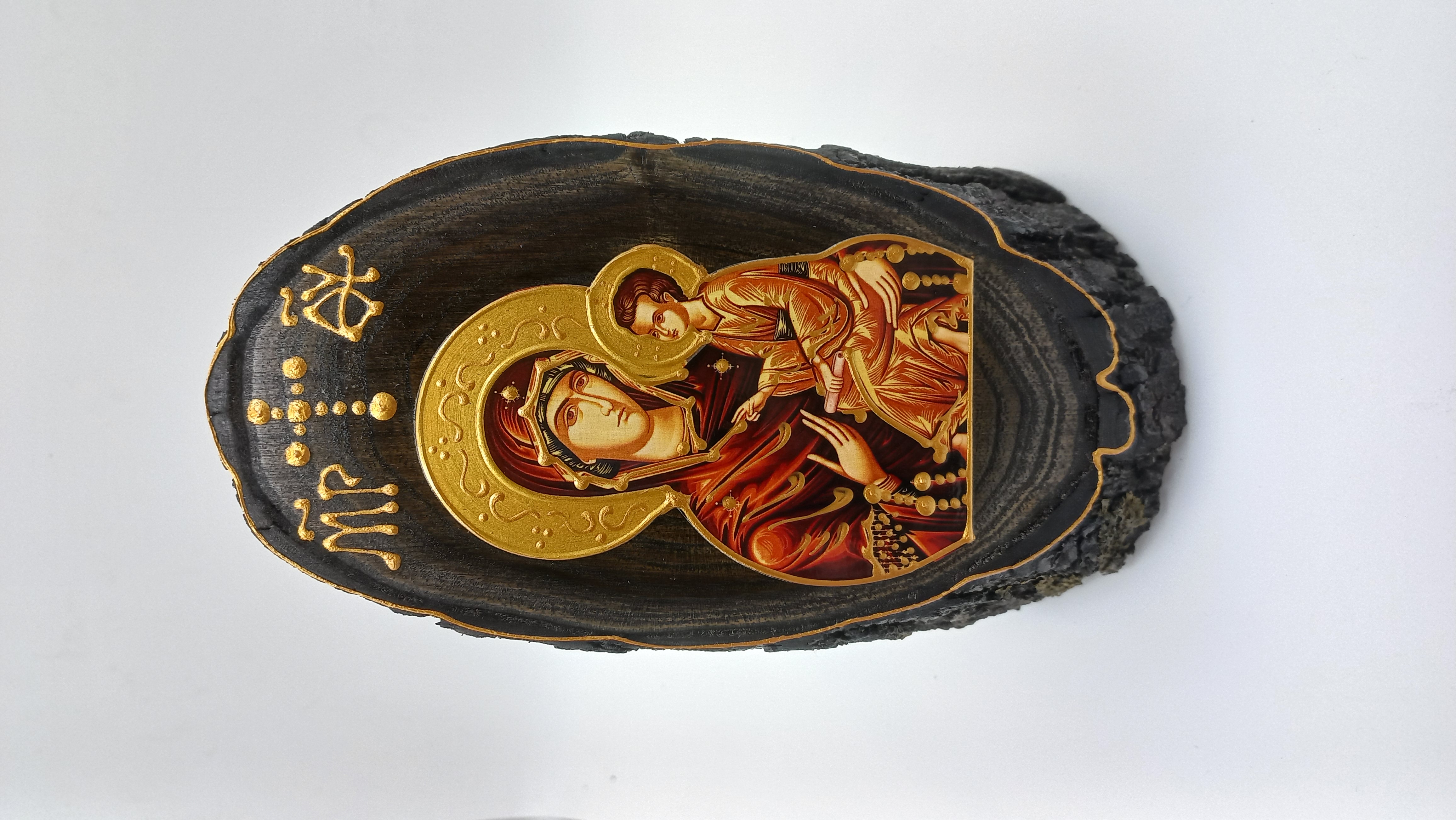
Virgin Mary
The name Giatrisa means "Healer." Before this image, believers pray to the Mother of God for support in illness, expecting every healing to come from God and His mercy. Suitable gift for: a sick person, doctor, medical worker or family praying for health.
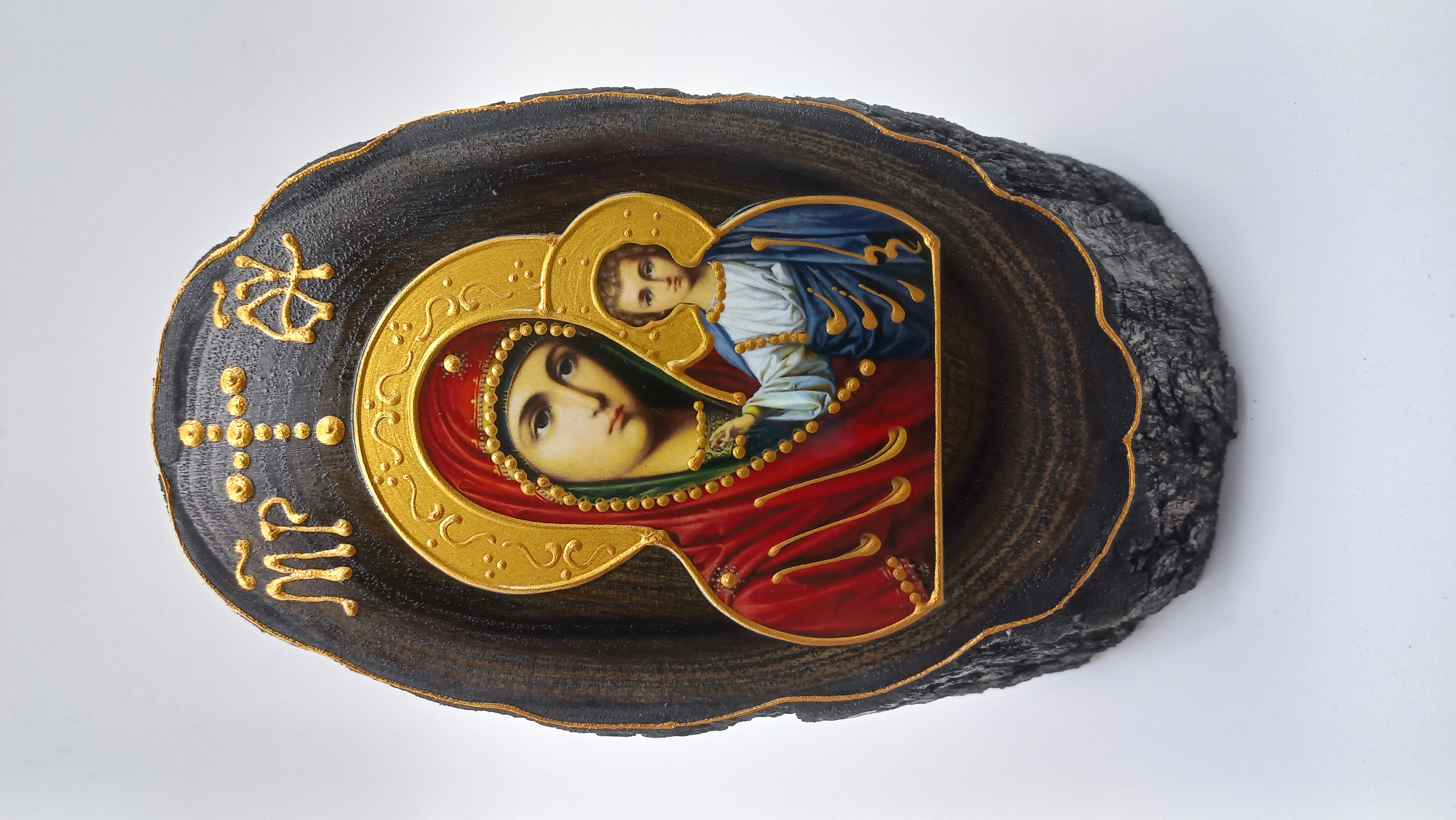
Virgin Mary
The Most Pure Mother of God, the Patroness of the Orthodox Russian people, is glorified in numerous miraculous copies of the Kazan Icon in Rus'. Of the many icons of the Mother of God venerated in the Russian Orthodox Church, none is as widespread as the Kazan Icon.
Virgin Mary
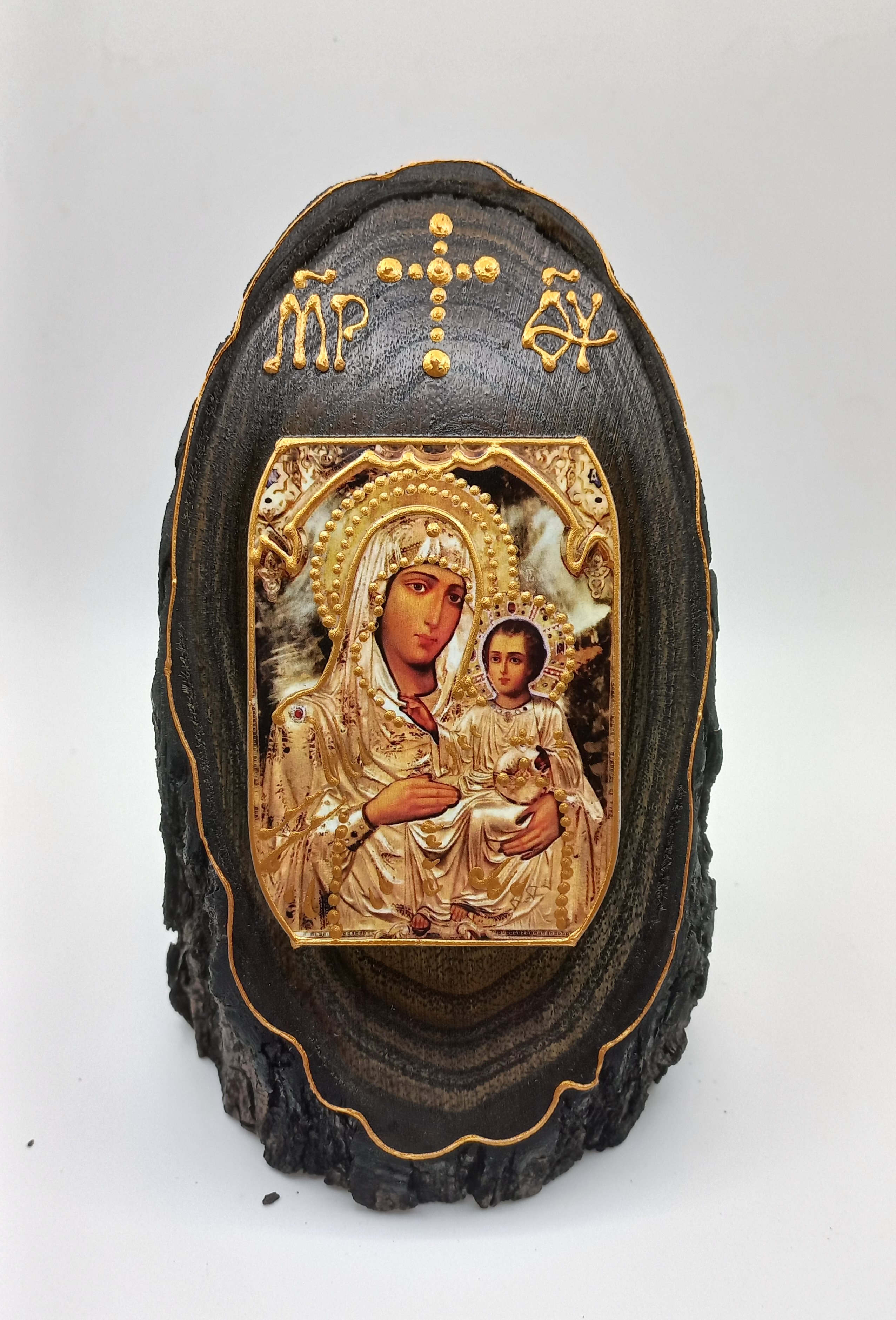
The Jerusalem Icon of the Mother of God, according to tradition, was painted by the holy evangelist Luke in the 15th year after the Ascension of the Lord in Gethsemane (48). In 463, the icon was transferred to Constantinople by the Greek Emperor Leo the Great. It remained in the Blachernae Church for nearly three hundred years. Through the intercession of the Jerusalem Icon of the Most Holy Theotokos, Byzantine troops repelled a Scythian attack. In 988, the icon was brought to Korsun and presented to Saint Vladimir, Equal-to-the-Apostles. When the Novgorodians adopted Christianity, Saint Vladimir sent them this icon. In 1571, Ivan the Terrible transferred the icon to the Dormition Cathedral in Moscow . After the Patriotic War of 1812, the ancient Jerusalem Icon of the Mother of God disappeared from the Moscow Kremlin. Legend has it that French soldiers stole the relic, took it to France, and installed it in Notre Dame Cathedral. However, in 1977, the chief inspector of historical monuments in France, in response to an inquiry about the fate of the Jerusalem Icon of the Mother of God, replied that such an icon was not listed in the cathedral's inventory. In the Dormition Cathedral, behind the patriarch's seat, an ancient copy of the miraculous icon, previously housed in the palace Church of the Nativity of the Virgin Mary "on the Seine," was placed in place of the original. Today, an exact copy of the miraculous Jerusalem Icon of the Mother of God is housed in the main cathedral of the Moscow Kremlin. Ancient copies of this miraculous icon, highly venerated among the Russian Orthodox, are housed in the Church of the Resurrection at the Old Jerusalem Metochion, the Trinity Church in Veshnyaki (Moscow), New Jerusalem , Bronnitsy (Moscow Diocese), and other locations. On Mount Athos, in Russik, above the royal doors of the Cathedral Church of the Intercession, there is also a revered Jerusalem icon of the Mother of God, before which an akathist is read on the eve of the feasts of the Mother of God and on Sundays, after Vespers.
Virgin Mary
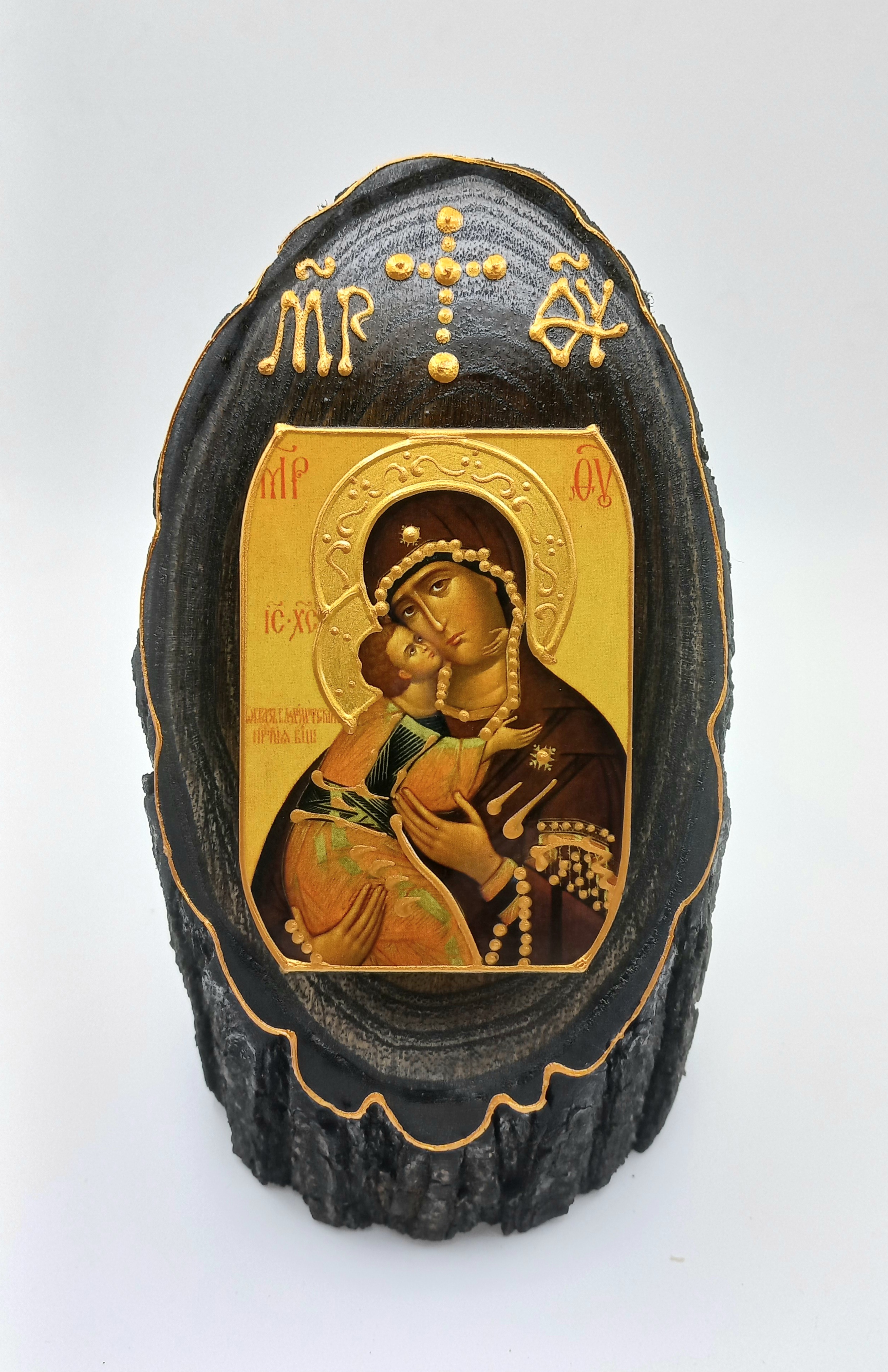
The feast of the Vladimir Icon of the Mother of God was established to commemorate the salvation of Moscow in 1521 from the Tatar invasion led by Khan Makhmet Giray. The Tatar hordes were approaching Moscow, burning and destroying Russian cities and villages, slaughtering their inhabitants. Grand Prince Vasily was gathering an army against the Tatars, and Metropolitan Varlaam of Moscow, together with the people of Moscow, fervently prayed for deliverance from destruction. During this dreadful time, a pious blind nun had a vision: Moscow's holy hierarchs emerged from the Kremlin's Spassky Gate, leaving the city and carrying with them the Vladimir Icon of the Mother of God—Moscow's most sacred relic—as God's punishment for the sins of its inhabitants. At the Spassky Gate, the holy hierarchs were met by Saints Sergius of Radonezh and Varlaam of Khutyn, who tearfully implored them not to abandon Moscow. Together, they offered a fervent prayer to the Lord for the forgiveness of those who had sinned and for the deliverance of Moscow from its enemies. After this prayer, the saints returned to the Kremlin and returned the Vladimir Icon. A similar vision was also experienced by the Moscow saint, Blessed Basil, who was told that through the intercession of the Mother of God and the prayers of the saints, Moscow would be saved. The Tatar Khan saw a vision of the Mother of God surrounded by a formidable army rushing toward their regiments. The Tatars fled in fear, and the capital of the Russian state was saved. The celebration of the Vladimir Icon of the Mother of God is also held on June 23 and August 26.